The failure of governance in the Arab world
By: Simon Tisdall
Protests in Tunisia and Algeria are part of a rising tide of popular dissatisfaction with illiberal, unreformed Arab rule
The official response to unrest on Tunisia's streets comes straight out of a tyrant's playbook: order the police to open fire on unarmed demonstrators, deploy the army, blame resulting violence on "terrorists" and accuse unidentified "foreign parties" of fomenting insurrection. Like other Arab rulers, President Zine al-Abidine Ben Ali seems not to know any better.
The trouble started last month when Mohammed Bouazizi, 26, an unemployed graduate, set himself on fire outside a government building in protest at police harassment. Bouazizi's despairing act - he died of his injuries last week - quickly became a rallying cause for Tunisia's disaffected legions of unemployed students, impoverished workers, trade unionists, lawyers and human rights activists.
The ensuing demonstrations produced a torrent of bloodshed at the weekend when security forces, claiming self-defense, said they killed 14 people. Independent sources say at least 50 died and many more were wounded in clashes in the provincial cities of Thala, Kasserine and Regueb.
In this daunting context, Ben Ali's emergency job creation plan, announced this week, looks to be too little, too late.
Egypt, the Arab world's most populous country, has problems that dwarf Tunisia's but are basically similar: the population is booming, 60% are under 30, youth unemployment is soaring, 40% of citizens live on under $2 a day, and one third is illiterate.
Add to this a growing rich-poor divide, a corrupt electoral system that bans the country's largest party, the Muslim Brotherhood, and President Hosni Mubarak's apparent determination to cling to power indefinitely, and the picture that emerges is both disturbing and largely typical of the illiberal, unreformed Arab sphere.
The striking underperformance of most Arab governments in political, economic and social terms - and of the Arab League, dubbed by some an "autocrats club" - has been expertly charted in the past decade by a series of UN-sponsored Arab human development reports.
Overall, they make depressing reading. Ben Ali and his ilk would do well to study the 2009 Arab Knowledge survey produced by the Al Maktoum Foundation |
12 January 2011- The Guardian


|
للإتصال بنا: [email protected] |
أعضاء الحكومة الإنتقالية المؤقتة
أعضاء المجلس الوطني الإنتقالي
الإعلان الدستوري
سقط المكابر
رائعة الدكتور العشماوي في الطاغية القذافي
للإستماع للقصيدة بصوت الشاعر
بطـاقة إلى مصراتة

جديد المنتدى الليبي
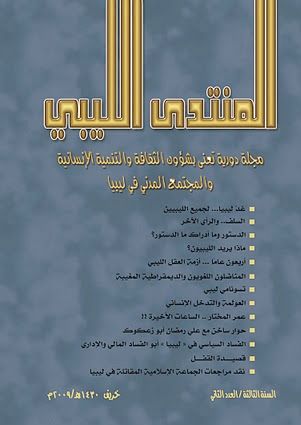
العدد السابع
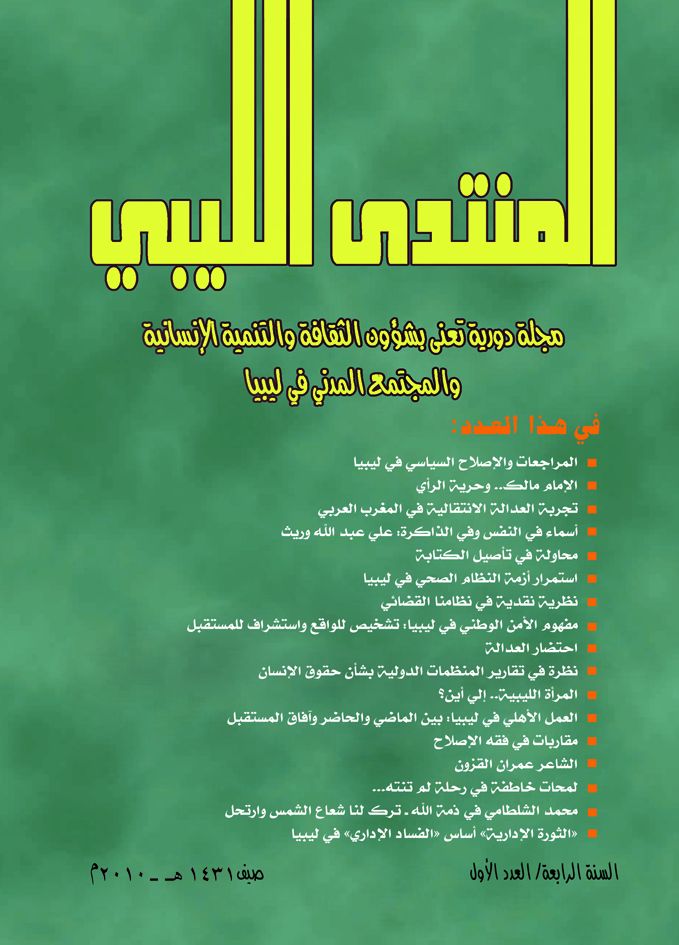
العدد السادس
|
أبوبكر على النوري: "لا تنمية مستدامة بدون تربية مستدامة" |


|
العنف السياسي في شمال أفريقيا: مصاعب التحرر غير المكتمل .. إعداد أنوار بوخرص ** قضايا التخطيط واتخاذ وتنفيذ القرار في السياسة الخارجية الليبية: أسئلة - والأجوبة الغائبة ** محاضرة للدكتور أبوبكر ابعيرة عن "واقع سياسات التنمية الإدارية في ليبيا" ( 1) (2 ) (3) |
|
رمــال متـحـركة تأثير الفضائيات على وسائل الإعلام في العالم العربي |
 |
| ورقة الدكتور عبد المجيد النجار |
| ورقة الدكتور محمد بشاري |
من ندوات المنتدى
ندوة المواطنة والديمقراطية
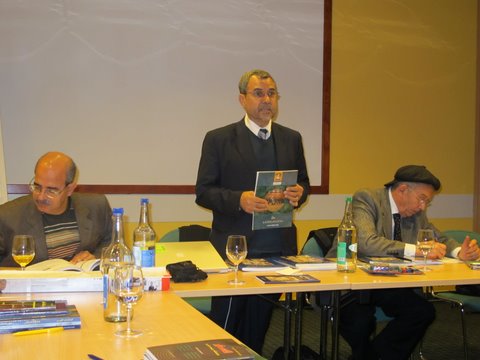
ندوة المجتمع المدني
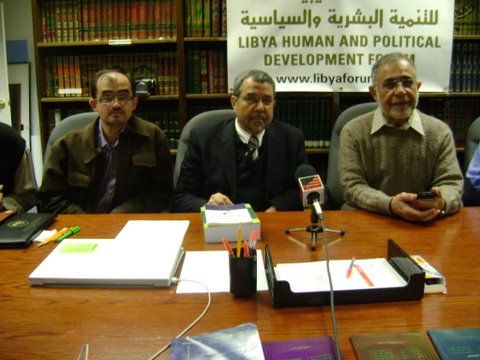
 |
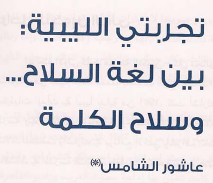
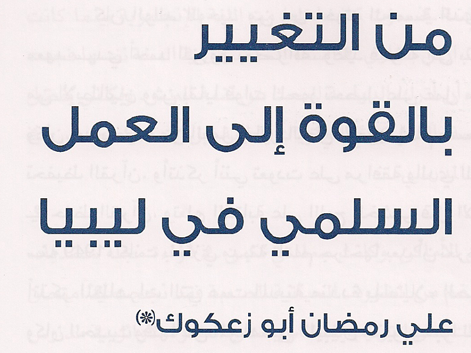
من مطبوعات المنتدى



النسخة العربية النسخة الإنجليزية
من آخر إصدارات الأستاذ محمود الناكوع

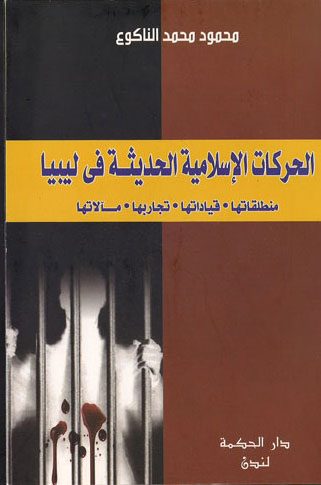
خفايا الإنقلاب وجريمة تشاد





من إصدارات أخبار ليبيا

شاهد عيان عن العهد الملكي

من إصدارات الشفافية ليبيا
 |
 |
 |
 |